
by RODERICK MULLINS

DICKENSON COUNTY, Va. – Health officials have issued a fish consumption advisory for the John W. Flannagan Reservoir in Southwest Virginia following the discovery of elevated chemical levels in several species.
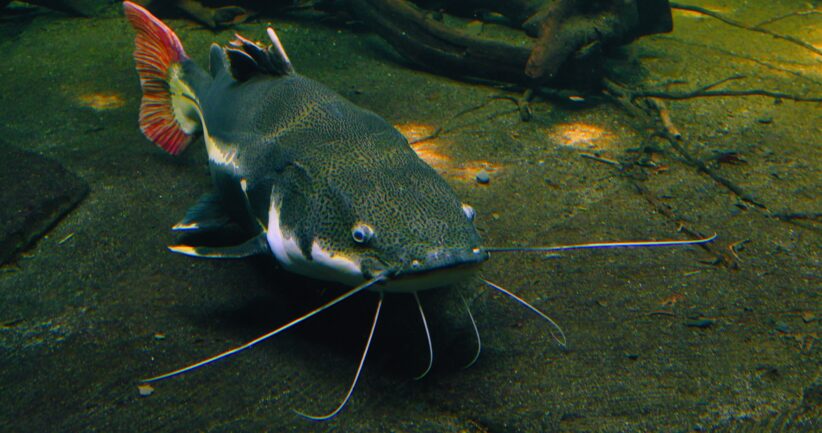
The Virginia Department of Health announced the advisory after tests revealed high concentrations of polychlorinated biphenyls, or PCBs, in walleye, channel catfish and largemouth bass.
The advisory covers specific sections of the reservoir, including:
The Cranesnest River arm: Extending upstream to the Highway 83 Bridge.
The Pound River arm: Extending upstream to the Lower Georges Fork Hollow (Route 621) Bridge.
Under the new guidelines, officials recommend that consumers eat no more than two meals per month of channel catfish or largemouth bass caught from these areas. VDH has issued a stricter warning for walleye, advising the public not to eat the species at all if caught within the advisory limits.
State health officials define a single meal as 8 ounces of fish
PCBs are man-made organic chemicals that were used in industrial and commercial applications until they were banned in 1979. They are known to persist in the environment and can accumulate in the fatty tissue of fish over time.
For more information regarding fish consumption safety, residents can visit the Virginia Department of Health website.