
by REP. MITCH WHITAKER
94th District
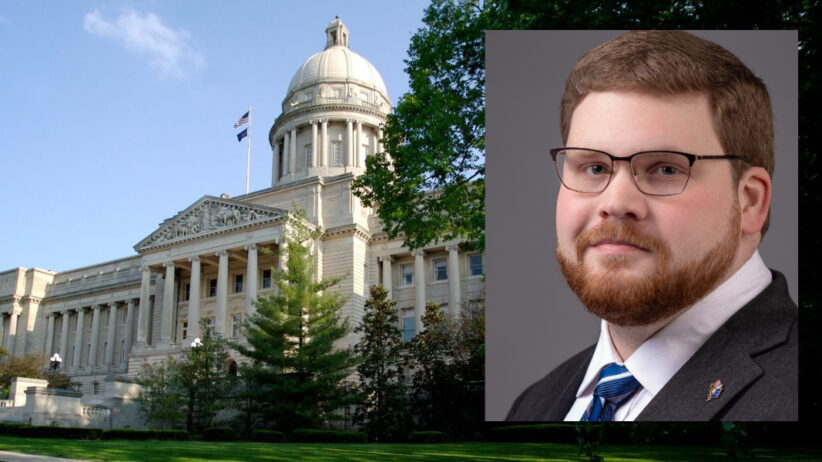
The legislature officially wrapped up the 2025 Regular Session and adjourned sine die on Friday, March 28. As we close this chapter, we also prepare for a transition. When we return next session, we will be convening in a temporary chamber while the Capitol undergoes extensive renovations. This moment is bittersweet, but does not overshadow the incredible work we have accomplished over the past 30 days.

I regularly use this column to highlight our mission: passing long-term, meaningful public policy that provides Kentuckians with opportunities to build a better life and strengthens our state for generations to come/ That is exactly what we achieved this session. We arrived in Frankfort with a full agenda and we leave having passed legislation that prioritizes Kentuckians’ needs and sets a course for more prosperous future.
While we passed many important bills, we accomplished one of our major goals – cutting the tax burden on working Kentuckians – within the first few days of the session. House Bill 1, which lowers the individual income tax to 3.5% on January 1, 2026, was signed into law in early February. I am proud to have supported this bill because it is part of a larger initiative to recognize that jobs are critical to quality of life. Since 2017, the legislature has cut the individual income tax by more than a third, and we are working to build on that momentum. In addition to HB 1, here are a few key legislative priorities that will have a lasting impact:
Beginning Driver Safety: HB 15 ensures young drivers have more time to develop safe driving habits. It extends the validity of a driver’s instruction permit from three to four years, requires individuals to be 16 and have held a permit for 180 days before obtaining an intermediate license, and mandates that they hold an intermediate license for 180 days before applying for an operator’s license at 17.
Regulatory Reform: HB 6 limits the power of unelected bureaucrats by placing necessary restrictions on the authority to create administrative regulations. This measure increases transparency and accountability in government decision-making.
K-12 Education: HB 193 simplifies statutory language regarding dual credit programs, ensuring clearer distinctions between career and technical education and general education courses. It also ensures that the legislature receives direct data reporting on the Work Ready Scholarship Program. Another measure, HB 240 requires the kindergarten and first grade students be assessed using a universal reading proficiency screener at the end of the school year. It also requires students who meet certain criteria and do not meet grade level benchmarks to repeat the grade, emphasizing early intervention to set students up for long-term success. Additionally, HB 241 grants school districts the option to shift to a variable 1,062-hour schedule instead of the traditional 170-day calendar. This provides flexibility in making up instructional time and allows the commissioner to approve up to five calamity days under certain circumstances.
Postsecondary Education: HB 251 transfers the responsibility for evaluating teacher education programs from the Council on Postsecondary Education to the Education Professional Standards Board (EPSB), ensuring that teacher preparation programs are regularly reviewed and held to high standards. Another measure, HB 298 mandates the Kentucky Department of Education to conduct annual reviews to determine schools’ Comprehensive Support and Improvement (CSI) status. While federal law requires CSI identification every three years, this change allows for yearly identification and support for struggling schools. Additionally, HB 424 ensures greater oversight in postsecondary education by requiring state universities and the Kentucky Community and Technical College System to implement performance evaluations for presidents and faculty members. In addition to the other measures, HB 4 prohibits wasteful and discriminatory diversity, equity, and inclusion (DEI) practices on the campuses of Kentucky’s public universities.
Response for Sexual Assault Survivors: HB 219 mandates that hospitals offering emergency services develop and provide training for emergency department staff on sexual assault response protocols, ensuring survivors receive appropriate care and resources. We also passed House Concurrent Resolution 20, which calls for a legislative study into how we can improve access to Sexual Assault Nurse Examiners in emergency care settings.
Domestic Violence Protections: HB 38 makes violating a protective order three times within five years a Class D felony, reinforcing the state’s commitment to protecting victims of domestic violence.
Accountability in Criminal Justice Institutions: HB 136 enhances reporting requirements for the Department of Corrections. Their annual report to the legislature must now include data on individuals released from correctional institutions, including time served, gang affiliation, drug test results, educational attainment, and recidivism rates.
These are just a few examples of the progress we made this session. Every bill we passed was designed with one goal in mind: making Kentucky a safer, stronger, and more prosperous place to live, work, and raise a family.
In the meantime, I remain committed to keeping you informed and advocating for policies that reflect our values and priorities. While the next session will take place in a temporary chamber, our work remains as important as ever. Thank you for your continued support, and I look forward to all we will accomplish together in the future.
As always, I can be reached anytime through the toll-free message line in Frankfort at 1-800-372-7181. You can also contact me via email at Mitchum.Whitaker@kylegislature.gov and keep track through the Kentucky legislature’s website at legislature.ky.gov.