

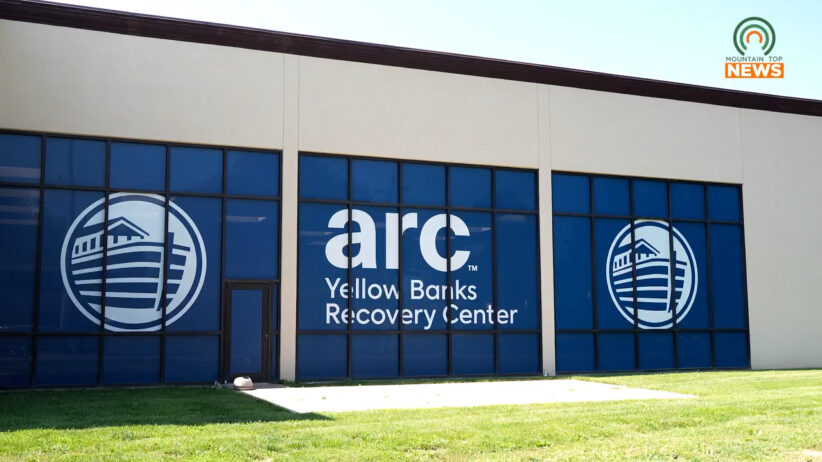
NEW YORK — A structured financing and investment firm is seeking to freeze the assets of Addiction Recovery Care, claiming the company has defaulted on its obligations to turn over tax receivables, violating a temporary restraining order in attempts to keep the money.
Angelica Capital Trust filed a petition with the Manhattan federal court Jan. 12, seeking to freeze ARC’s assets while arbitration over the disputed funds played out.
In its petition, Angelica says it paid ARC $5.4 million to buy $8.1 million in receivables ARC anticipated receiving from the IRS for employee retention tax credits. Angelica says ARC was seeking the money to make its proposed sale to Ethema Health Corporation more attractive.
But after that sale fell through and the IRS delivered the payments in December, ARC said it wanted to keep the money until it could close a deal with another buyer. Angelica claims, “ARC is wrongfully holding onto the money because it is in desperate straits.”
The petition claims ARC is attempting to resolve a Medicaid and Medicare fraud investigation by the U.S. Department of Justice by paying a $27.7 million settlement.
On Jan. 13, U.S. District Judge George B. Daniels scheduled a hearing to consider whether or not to issue an injunction in the case, and issued a temporary restraining order directing ARC not to transfer any funds out of its bank accounts and not to take any action that would leave the company with less than $10 million in liquid assets.
But in an amended petition filed Tuesday, Angelica claims after the restraining order was issued, ARC transferred money to its subsidiaries in order to pay normal operating expenses. That resulted in the amended petition, naming not only of ARC, but also all of its known and unknown subsidiaries.
ARC has filed a reply to the request for an injunction, saying such an order would be “unduly burdensome” and would disrupt rather than preserve the status quo.
The response also says it is impossible for the company to comply with the restraining order because it already has less than $10 million in all of its and its subsidiaries’ accounts. That is followed by list showing only $5.7 million across all accounts.
ARC also argues a restraining would not be in the public interest because it would leave its 680 employees without pay and interrupt treatment for hundreds of patients.
The reply also says an injunction would also likely push the company into “debtor protection proceedings,” such as bankruptcy.
No orders have yet been issued following Wednesday’s preliminary injunction hearing.
Copies of Angelica’s petitions, ARC’s response and the show cause order granting a temporary restraining order follow: