

FRANKFORT, Ky. — With temperatures expected to plummet into the single digits overnight, many people around the region could wake up with frozen or burst water pipes in the morning.
To avoid falling victim to that scenario, the Kentucky Division of Water has some tips for keeping water running in your home:
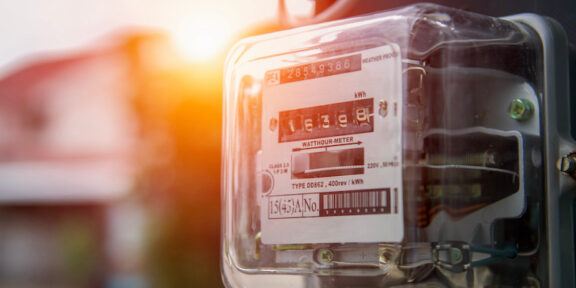
- Most people know to allow a trickle of water to run during the coldest times, but which faucet you choose can make a difference. It’s best to use a cold faucet that is farthest from the water meter or one that has frozen in the past. This will keep the water moving so that it cannot freeze and will help relieve pressure should ice form in the pipes.
- Wrap both hot and cold water pipes with insulation. You can also use layers of newspapers, but be sure to wrap the newspapers in plastic afterward, to prevent them from getting wet and freezing.
- Place a lamp with a 60-watt bulb in the potential problem area to warm the walls and pipes. Make sure there are no combustible materials near the bulb.
- If the crawl access is inside the home, set a fan in the opening to blow warm air from the home to the foundation. Do not use a fan when the access is in an unheated garage or outside the home.
- If bathroom or kitchen pipes are inside of cabinets, open the cabinet doors. This will warm air to circulate around the pipes.
- Have the home’s exterior walls insulated. Caulk and seal around doors, windows, house faucets and outside outlets.
If your pipes do freeze, there are also several things to keep in mind when trying to thaw them. First, turn all faucets in the house completely on and remove the insulation from the pipes.
If there is no standing water, you can use a hair dryer or electric heating pad to heat the pipes. If there is standing water, you do not want to use such devices to prevent electric shock. Instead, your best bet is to pour hot water over the pipes or wrap them in towels that have been soaked in hot water.
In either case, you should never use a blowtorch to thaw pipes, as it can rapidly transform water inside the pipe from ice to boiling, causing the pipe to explode. Likewise, you should not use kerosene or propane heaters or any open flame device, as they can cause a risk of fire or carbon monoxide poisoning.
Finally, if you are unable to locate or reach a section of frozen pipe, your best bet is to hand the problem over to a licensed plumber.